AI & Media Literacy Training
Free, interactive workshops that teach students, educators and community members how to identify AI-generated content, evaluate online information, and think critically about what they see and share.
01 / 01
Nonprofit · Spokane, WA
The Truth Protocol Initiative provides free, practical AI and media literacy education, verification toolkits and partnerships for schools, libraries and communities — so people can navigate the digital world with confidence.
Why this matters
In that environment, communities — especially students, educators and public institutions — deserve practical tools to think critically, verify information, and navigate the digital world safely and responsibly.
TTPI exists to put those tools in ordinary hands: not as a specialist discipline for journalists and researchers, but as a basic form of digital literacy available to everyone, free of charge.
The Truth Protocol Initiative is in the process of incorporation as a nonprofit organization.
Verify
Educate
Empower
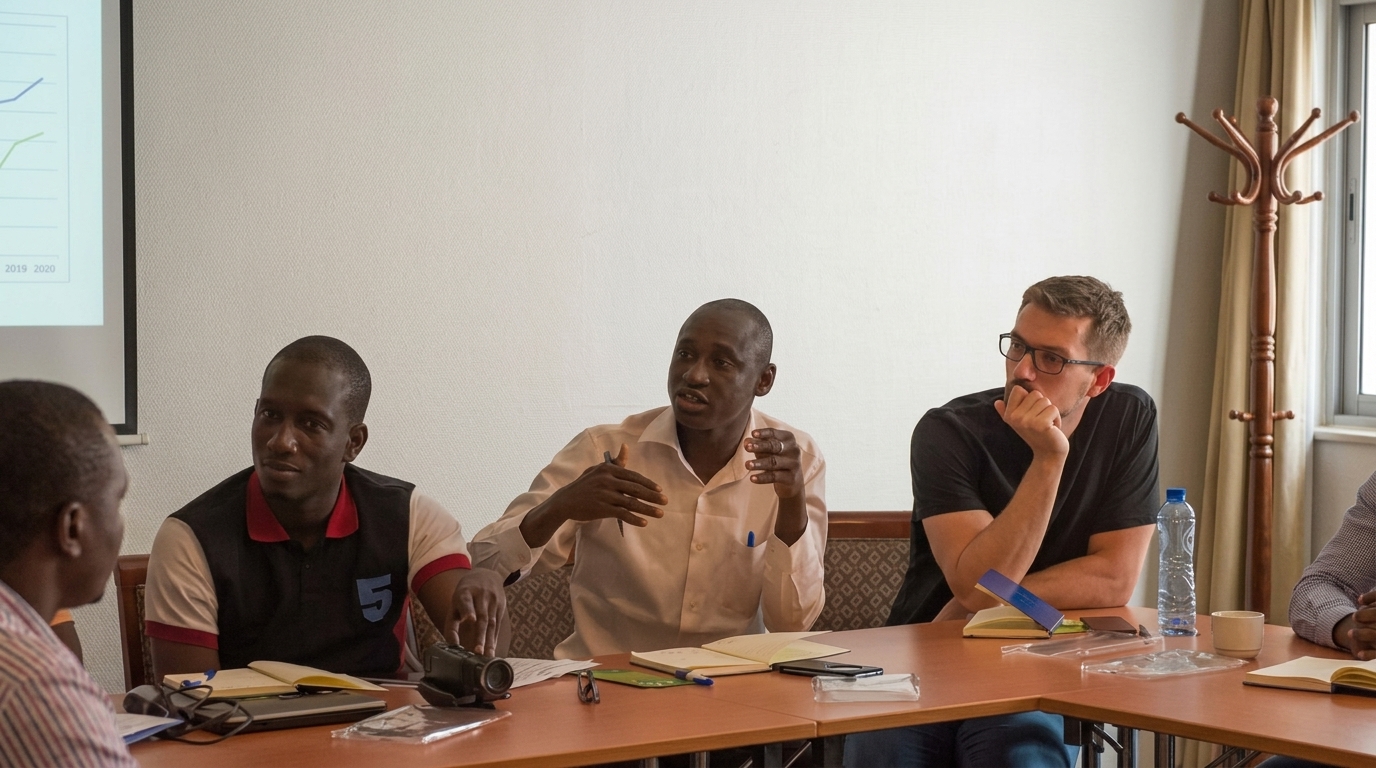
Information integrity is a civic skill — not a technical specialty.
What we do
Every program is free, practical and built to be immediately useful — whether you're a student navigating social media, a librarian fielding patron questions, or an educator shaping the next generation's relationship with technology.
Free, interactive workshops that teach students, educators and community members how to identify AI-generated content, evaluate online information, and think critically about what they see and share.
01 / 01
Practical guidance on navigating the internet responsibly — privacy awareness, data protection basics, and safe, ethical engagement online, tailored for different age groups and audiences.
01 / 02
Public-facing sessions for parents, job seekers, civic leaders and general community members who want to understand generative AI tools and how to use them safely and responsibly.
01 / 03
Specialized sessions for library staff, teachers and school personnel to build internal capacity for guiding patrons and students on AI tools, data privacy and information verification.
02 / 01
Briefings for election officials and civic leaders on how generative AI threatens election processes and public trust — synthetic media risks, verification protocols and practical safeguards.
02 / 02
Workshops on detecting AI-generated disinformation, verifying sources and media in an AI-saturated landscape, and applying practical fact-checking protocols under deadline pressure.
02 / 03
Ready-to-use toolkits and guides — including The Truth Protocol — giving students, educators, election officials, journalists and the public practical frameworks for verifying information.
03 / 01
Collaborative programming with schools, libraries and universities to embed AI and media literacy into existing curricula, programs and community events — at no cost to the institution.
03 / 02
AI and media literacy shouldn't be a specialized skill reserved for journalists or researchers. It should be a basic form of digital literacy, available to everyone, free of charge.
03 / 03
Practical verification skills and tools for evaluating claims, sources and media — lateral reading, reverse image search and source triangulation that work under real time pressure.
04 / 01
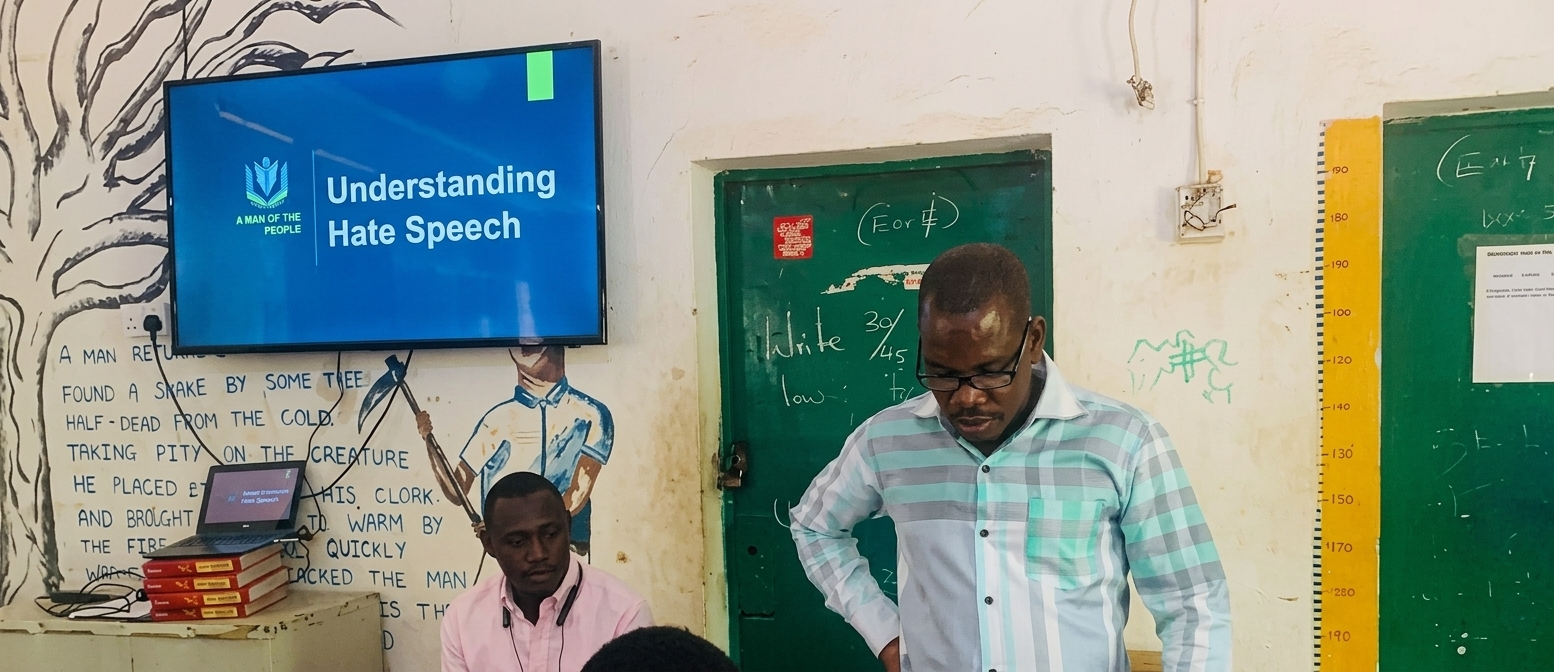
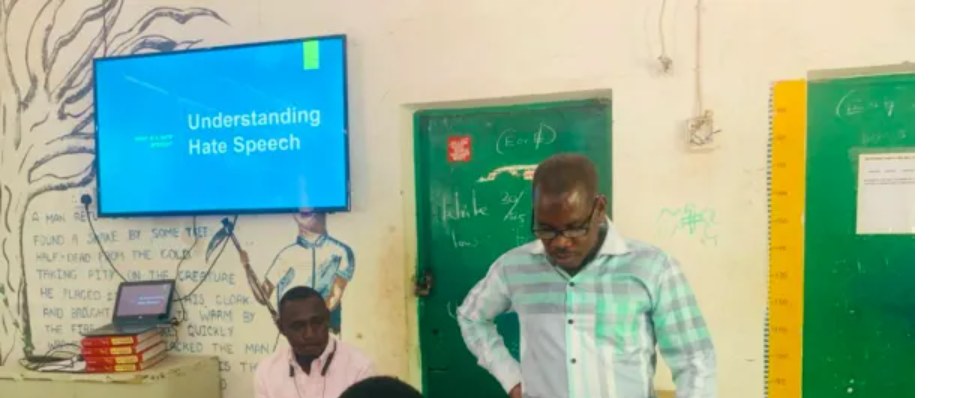
Recognizing and responding to hate speech online and in everyday communication, drawing on UNESCO-supported work on hate speech and disinformation in West Africa.
04 / 02
Understanding speech that can incite real-world harm or violence — how to identify its patterns early, and how to interrupt it without amplifying the message.
04 / 03
Featured toolkit
An Operational Toolkit for U.S. Election Integrity in the Era of AI
A technical verification framework built through months of research and expert consultation, examining how generative AI threatens election integrity, newsroom credibility and public trust.
TTPI was founded to take that toolkit beyond its original scope — adapting it into accessible, classroom-ready and community-facing resources that help everyday people, not just experts, build the skills to navigate an AI-saturated information landscape.
Field briefings
Developments we're tracking in AI policy and regulation, online safety, elections, and media and information literacy — summarized in plain language, with links to the primary sources.
New briefings published biweekly
The EU AI Act's transparency obligations require providers to mark synthetic images, audio and video in machine-readable form. The practical question for educators is what those markings look like in a classroom: labels can be stripped by re-uploads and screenshots, so provenance signals should be taught as one clue among several, never as proof on their own.
EU AI Act — official textC2PA Content Credentials now ship with several major cameras and generative tools, attaching a signed history to a file. That is real progress for verification workflows. But absence of a credential proves nothing, and most social platforms still flatten metadata on upload, so we teach credentials as corroboration rather than a verdict.
C2PA specificationCloned voices in robocalls and voice notes are still the lowest-cost, highest-reach form of election deception: no visual artifacts to spot, and messages travel through closed channels where corrections rarely follow. Our briefings for election offices focus on pre-committed verification channels so voters know in advance where authentic information lives.
CISA election security resourcesUNESCO's MIL curriculum for educators remains the most usable global scaffold for teaching evaluation, access and ethical participation. We map our AI-literacy modules onto it so partner schools can show alignment with an established framework rather than adopting a one-off program.
UNESCO MIL curriculumPublic library grant programs continue to fund digital-inclusion and community-education work, and AI literacy fits squarely inside that remit. Libraries interested in co-applying with TTPI can use our curriculum and trainer capacity as in-kind program content at no cost to the institution.
Institute of Museum and Library ServicesA majority of U.S. states have enacted some form of synthetic-media rule covering election communications, non-consensual imagery, or disclosure duties. The definitions differ enough that a piece of content can be lawful in one state and actionable in another — which is why we teach the underlying verification skill rather than the statute.
NCSL legislation trackerWhere we work
Two places shape TTPI's work: the West African fieldwork where its methods were built and tested, and the U.S. communities where they are taught today.
Washington State · Spokane
TTPI's current base and the center of its programming: free AI and media literacy sessions for schools, libraries, universities, election officials and community organizations, delivered in person and online.
Where the work began
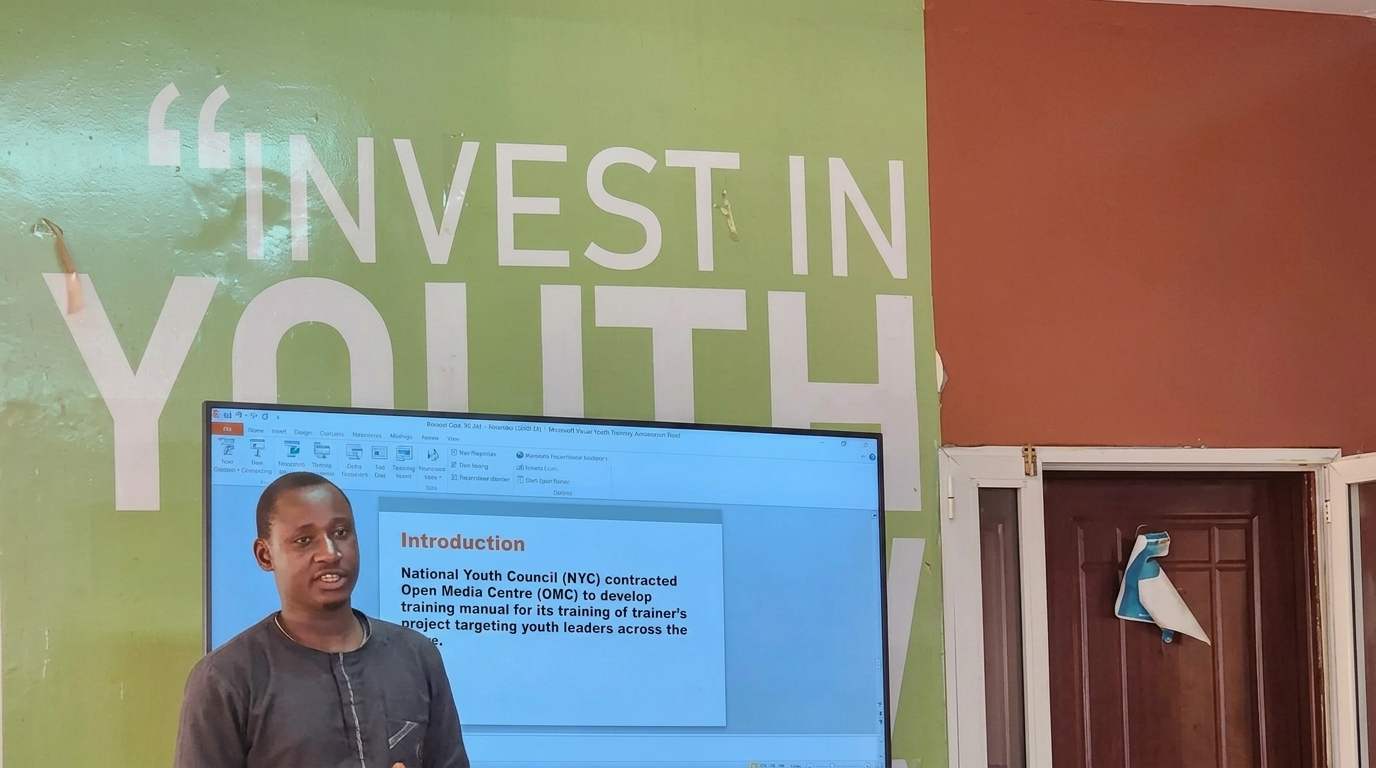
A decade of fieldwork in journalism and information integrity — including a UNESCO-funded initiative that trained 200 high school students and a national training manual developed for the National Youth Council of The Gambia.
Work in action
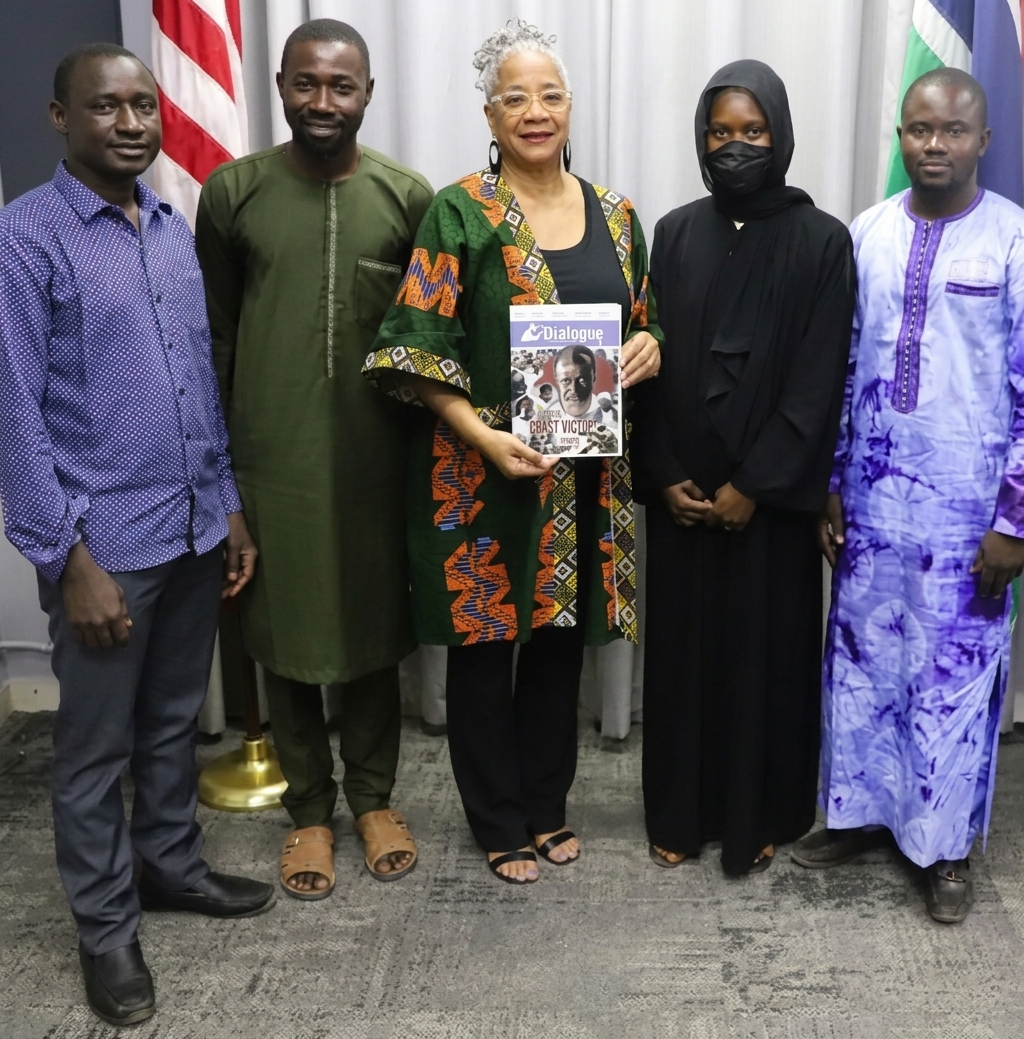
TTPI grew out of over a decade of work at the intersection of journalism, media literacy and information integrity — including a UNESCO-funded initiative that trained 200 high school students across The Gambia, and a national training manual developed for the National Youth Council of The Gambia.

Kebba Jeffang
Founder · Journalist & media literacy educator
LinkedIn profileThe founder story
Kebba Jeffang is a journalist and media literacy educator with 13 years of experience in journalism and information integrity. He served as a senior investigative reporter and head of media monitoring and fact-checking at the Open Media Centre in The Gambia, where he led a UNESCO-funded Media and Information Literacy initiative that trained 200 high school students across the country, and later developed a national training manual for the National Youth Council of The Gambia.
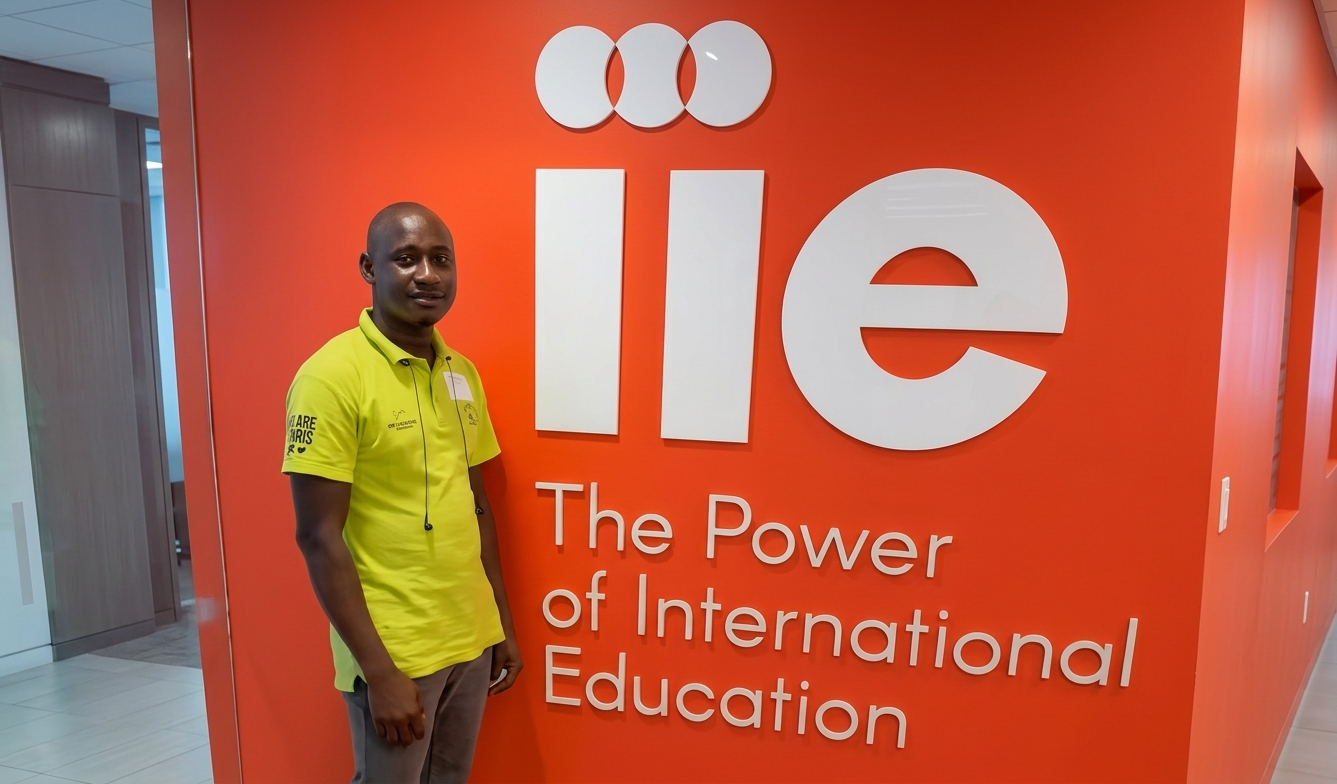
In 2022 he was selected by the U.S. Embassy in Banjul to participate in the Edward R. Murrow Program for Journalists. He holds a Master of Science in Professional Communication and Digital Media Arts from Seton Hall University, where his graduate capstone explored generative AI's impact on election integrity and information ecosystems.
That research became The Truth Protocol — and TTPI was founded to bring free, practical AI and media literacy training to schools, libraries and communities across Washington State and beyond.
13
years
in journalism and information integrity
200
students
trained in a UNESCO-funded initiative
National
manual
developed for The Gambia Youth Council
Who we partner with
TTPI collaborates with institutions to embed AI and media literacy into existing curricula, programs and community events — at no cost to the institution.
Partner with TTPIClassroom-ready sessions that slot into existing curricula.
Patron-facing workshops and staff capacity building.
Programming for students, faculty and campus media.
Briefings on synthetic media and verification protocols.
Newsroom training on verification under deadline.
Community events built around information integrity.
Trust & feedback
TTPI is a young organization. Rather than publish endorsements we don't yet have, we're reserving this space for verified feedback from partner schools, libraries and community organizations.
Feedback from a partner school will appear here once a program has been delivered and reviewed.
Feedback from a partner library will appear here once a program has been delivered and reviewed.
Feedback from a community partner will appear here once a program has been delivered and reviewed.
Questions
Students, educators, library staff, election officials, journalists, civic organizations and general community members — across Washington State and beyond.
Yes. TTPI is a nonprofit and its training programs, toolkits and partnership programming are offered at no cost to participating institutions.
Schools, libraries, universities, election boards, media organizations and civic or community groups. Programming can be embedded into existing curricula, programs and community events.
AI and media literacy, digital citizenship and online safety, verification toolkits and resources, educator and staff training, election integrity briefings, and newsroom training.
Send a note with your organization, audience and preferred timeframe using the contact details in the Get Involved section and we'll follow up to scope a session.
Get involved
Request a training, discuss a partnership, or ask about The Truth Protocol toolkit. We work with schools, libraries, universities, election officials, newsrooms and community organizations.
Email us with your organization, audience and preferred timeframe — we'll follow up to scope a session.
Email TTPIDonations and sponsorships fund free trainings for schools, libraries and community groups. Get in touch to discuss supporting a program.
Support this workLeave your email to hear about upcoming workshops and toolkit releases.